
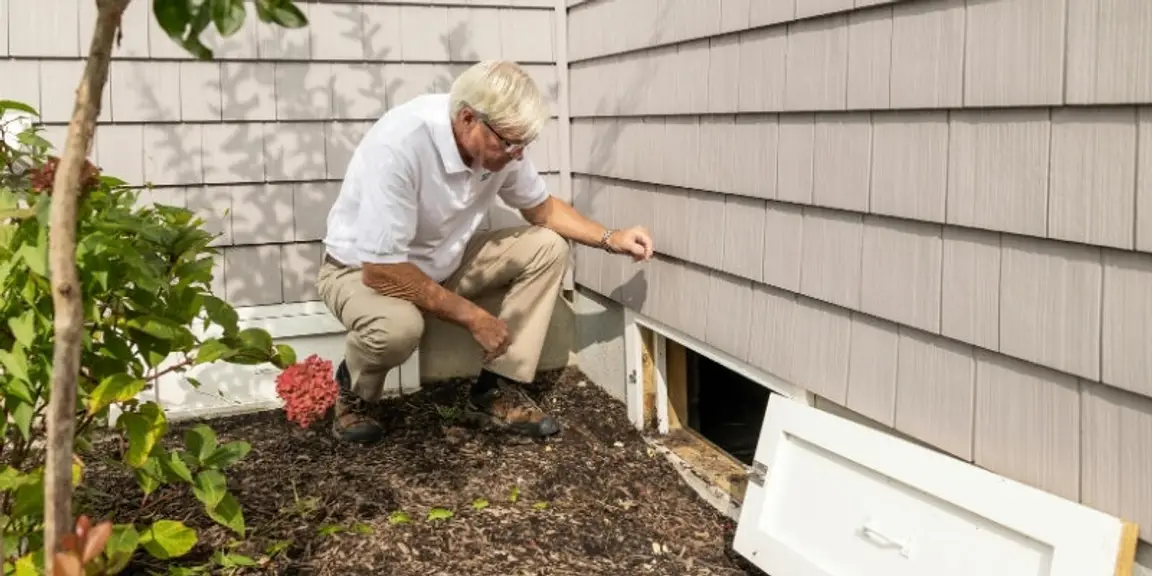
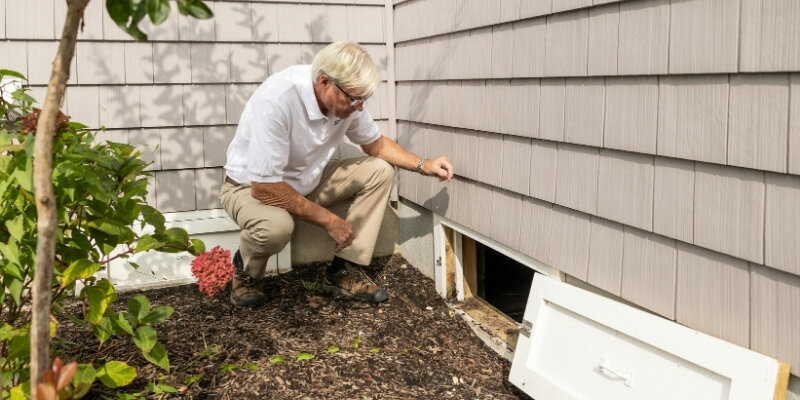
Selling a house with water in the crawl space is more common in Michigan than most owners realize. Pull up any house built before 1990 in Southeast Michigan, whether it’s a brick colonial you want to sell fast in Sterling Heights, a ranch outside Lansing, or one of those older two-stories near the Huron River in Ypsilanti, and there’s a decent chance the crawl space has seen water. Not a flood, necessarily. Just enough moisture seeping through the soil and concrete block walls (I’ve crawled through plenty of these) to cause the kind of slow damage that doesn’t announce itself until a buyer’s home inspector shows up with a flashlight.
If you’re in that position right now, this is the article you actually need. Not the sanitized version that tells you to “call a professional” and then leaves it at that, the real version.
Selling a House with Crawl Space Water Issues in Michigan: Know Your Situation First
Michigan’s median home sale price reached $297,760 in August 2026, up 6.3% year over year, according to Redfin market data. On paper, that’s good news. But a crawl space with standing water or chronic moisture doesn’t get to ride that appreciation wave without some turbulence first. Even in an active market where buyers are competing, a wet crawl space can single-handedly derail a financing sale, tank an appraisal, or kill buyer confidence before the inspection report is even printed.
I’ve bought houses all over Michigan. A pattern I keep seeing: sellers assume the wet crawl space is their biggest problem, when, in reality, the bigger problem is not knowing how bad it actually is before they price the home.
A few weeks back, the Caldwell family in Shelby Township called me. Job transfer out of state, five weeks to be out, a house that had developed a standing water problem after two consecutive wet springs. Nobody had been under the house in years, and the Caldwells had no idea whether they were dealing with a drainage issue or something that had already compromised the floor joists. We got an inspector under there within 48 hours. Knowing the actual scope let them make a real decision instead of a panicked one, and that’s the part I’ve seen sellers skip when time is short.
Every seller should start there: not with a contractor or a real estate agent, but with an inspection.
How to Assess Crawl Space Water Damage Before Listing Your Home
A seller in Portage once told me she’d priced her house low to account for “the wet crawl space,” then watched a cash buyer flip it six months later after spending roughly two thousand dollars on a new vapor barrier, a sump pump, and regraded drainage. Not a full encapsulation, just the basics done right. She’d left money on the table because she had guessed instead of assessed.
Before you set a price or call a real estate agent, get a home inspector with crawl space experience under that house. A good inspector will tell you whether you’re dealing with condensation, surface runoff from poor grading, groundwater intrusion, or a plumbing leak. Those are four very different problems with four very different price tags.
What are they actually looking for down there? Mold on the wood joists and subfloor, rotted or compromised insulation, failed or absent vapor barrier, any standing water near the foundation walls, rust on any sump pump components, and signs of pest activity that tends to follow moisture. Every one of those findings will appear in a buyer’s home inspection report and factor into negotiations, sometimes more than sellers expect.
A drainage assessment matters too. Poor drainage paths around the foundation, whether from gutters that dump runoff at the base of the house or graded soil that pitches toward the structure, are often the root cause. A home inspector can flag it; a waterproofing contractor or civil engineer can solve it. Know which type of problem you have before you spend a dollar on a fix or a minute talking to buyers.
Michigan Seller Disclosure Requirements for Crawl Space Water Problems
Trying to hide water in the crawl space costs sellers more than disclosing it. Full stop. Michigan’s Seller Disclosure Act requires sellers to complete a written disclosure statement covering known defects, including water intrusion, moisture problems, and structural damage. Failing to disclose a known issue doesn’t just create awkward renegotiations; it can expose you to civil liability after closing, even years later.
The disclosure form asks directly about water in the basement or crawl space, drainage problems, and damage to the floors or ceilings. If you know water has been in the crawl space, you disclose it, because skipping that line is the kind of thing that ends up in litigation after closing.
What disclosure does not mean is that you’re obligated to fix it before selling. You can disclose the condition, price accordingly, and sell the property as-is. Many sellers do exactly that. What you cannot do is check “no known issues” on a form when you’ve watched water pool under your house every April since you bought it.
One thing that often gets left out of this conversation: insurance. If you filed a homeowner’s insurance claim for flood damage or moisture-related repairs at any point, buyers may find that history through a CLUE report (Comprehensive Loss Underwriting Exchange). Disclose what you know, because buyers who pull that report will see the claim history whether you mention it or not.
How Water in the Crawl Space Affects Your Home’s Value

Beyond the legal piece, the financial hit is where this gets real for most sellers. Appraisers and buyers don’t view crawl-space water as a cosmetic issue. They treat it as a structural risk, a mold risk, and an insurance risk all wrapped into one, which means a single water issue can drag down your entire asking price.
Do you know what a conventional loan buyer’s lender does when the home inspection shows evidence of water intrusion in the crawl space? Often, they require a remediation letter from a licensed contractor and a re-inspection before they’ll fund the loan. That adds weeks to a timeline, gives the buyer time to rethink, and frequently sends the sale sideways. Homebuyers who are using FHA or VA financing face even stricter property condition requirements, so moisture problems in the crawl space can rule out an entire category of buyers before you’ve accepted a single offer. I’ve watched this happen more than once.
Agents in the Michigan market will tell you that homes with disclosed water issues typically end up negotiated down or sitting longer. The median days on market in Michigan was around 33 statewide in August 2026, according to Redfin. Still, a home with a known water problem rarely closes in 33 days without either a price cut or a repair credit baked into the sale.
Crawl space encapsulation, which involves installing a heavy-duty vapor barrier, improving drainage systems, and often adding a dehumidifier, runs between $1,500 and $15,000 depending on the size and severity of the problem, with most projects landing around $5,500. Whether that repair pencils out before listing depends entirely on your price point and the amount of leverage buyers currently have in your neighborhood. In softer markets, they’ll use it.
Why Michigan Home Buyers Pay Close Attention to Crawl Space Moisture
Are Michigan buyers more sensitive to crawl space issues than buyers in other states?
Probably, yes, and there’s a good reason rooted in our climate.
Winter in Michigan is relentless on foundations. From November through March, ground moisture expands and contracts repeatedly, and that movement pushes water through every crack and gap in a crawl space foundation it can find. Add in the clay-heavy soils across much of the lower peninsula, which retain water rather than draining it, and you have a state where crawl space moisture is genuinely more common than in drier climates. Buyers who’ve grown up here know this. They’re not being paranoid at an inspection; they’re being informed.
Crawl space mold is the fear that stops sales in their tracks. Michigan’s humid summers create ideal conditions for mold growth on wood joists and subfloor sheathing once moisture gets established. Buyers see “mold” in an inspection report, and their options narrow: either the seller remediates, or the price drops, or they walk. The EPA’s mold remediation guidance is blunt on this point: if you clean up the mold but don’t fix the water problem, the mold comes back. Removing the moisture source is the only lasting fix.
Buyers also worry about pests, and wet wood attracts carpenter ants and termites. A crawl space with a history of water intrusion that hasn’t been fully addressed is, in the eyes of a cautious buyer, a pest problem waiting to happen.
Crawl Space Repairs Worth Making Before Selling Your House
For years, my instinct was to tell sellers to remediate everything before listing. I was wrong about that, at least as a blanket rule.
Some repairs make clear financial sense. Improving drainage paths around the foundation by regrading soil away from the house, extending downspouts, and clearing clogged gutters typically costs a few hundred dollars and directly addresses the root cause of groundwater intrusion. A working sump pump, properly maintained and equipped with a functioning float switch, provides buyers with visible evidence that the problem is actively managed. Installing or replacing a vapor barrier across the soil in the crawl space is another relatively low-cost step that dramatically reduces condensation and moisture.
You need mold remediation when the wood shows active growth. Licensed remediation contractors will treat and encapsulate affected joists, and having a clearance letter from a certified industrial hygienist is worth real money in negotiation.
What’s rarely worth doing before listing: full crawl space encapsulation on a house priced under $180,000. The math doesn’t work. Spending $6,000 to $8,000 on a complete encapsulation system for a $150,000 house on Flint’s north side or in a similar price range won’t return dollar-for-dollar. Price the problem in, disclose honestly, and let buyers make their decision with full information.
Blue Moon Acquisitions regularly sees houses in this exact position, where the repair math doesn’t favor fixing before selling. Sometimes the cleanest path is a cash offer, with no inspection contingency and no seller remediation required.
How to Sell a House Fast with Water in the Crawl Space in Michigan

The same market momentum behind Michigan’s rising median price means there’s genuine buyer demand statewide, including demand from investors and cash house buyers in Detroit, MI, and across the state who buy properties with known issues and price accordingly. In 2025, about 26.2% of Michigan homes sold above asking price, and that competitive energy hasn’t disappeared; it just gets more selective when a property has a disclosed defect.
Raj Brooks reached out to me while going through a divorce in Westland. The split had dragged on; both parties just wanted the assets divided and the process done. The house had a crawl space with a documented history of water intrusion, and an older sump pump that hadn’t been serviced in years. Raj didn’t want inspections, repairs, or a 60-day listing process. We made an offer based on the property’s condition, closed on the schedule that worked for his attorneys, and both parties moved on.
That’s what a direct cash sale actually looks like. No repair demands. No financing contingencies that fall apart when a lender sees the inspection report. No waiting.
Sellers in this situation have three real options. List with a real estate agent, fix what you can, price below comparable homes without the water issue, and accept that negotiation will eat into your net proceeds. Sell as-is on the retail market, which attracts fewer buyers but occasionally finds a handy buyer or a contractor-type who sees an opportunity. Or sell directly to a company that buys houses in Michigan like Blue Moon Acquisitions, where the condition is factored into the offer upfront, and closing can happen in weeks, not months.
There’s no universally right answer. The right answer depends on your timeline, your financial position, and how much uncertainty you can tolerate.
Frequently Asked Questions
Can You Sell a House with Water in the Crawl Space?
You can sell a house with water in the crawl space in Michigan. Disclosure is required under state law, but the condition does not block the sale itself. Cash buyers and investors regularly purchase homes with crawl-space water problems, often without requiring any repairs before closing. Your price will reflect the condition, but a sale is absolutely possible.
How Serious Is Water in a Crawl Space?
Seriousness depends on the source and duration. Surface runoff from poor drainage is manageable and fixable. Groundwater intrusion tied to high water tables or foundation cracks is more complex. The real risk compounds over time: prolonged moisture leads to mold on wood joists and subfloor, pest activity, compromised insulation, and eventual structural deterioration. Catching it early and understanding the root cause is what separates a minor issue from a costly one.
What Should I Not Fix Before Selling a House?
Cosmetic upgrades in kitchens and bathrooms rarely recoup their full cost at sale, so aggressive renovations before listing a distressed property usually don’t pencil out. On crawl space issues specifically, full encapsulation on lower-priced homes is often not worth doing before listing. Disclose the condition, address the source if it’s cost-effective, and let buyers and investors price the remaining work into their offers.
How Much Does It Cost to Remove Water From a Crawl Space?
Removing standing water from a crawl space ranges from a few hundred dollars for a basic pump-out to several thousand for waterproofing, sump pump installation, and drainage system improvements. A full encapsulation system averages around $5,500 but can reach $15,000 for larger homes with severe moisture histories. Getting at least two contractor quotes before deciding whether to remediate or sell as-is is the smartest starting point.
Selling a house with crawl space water in Michigan is not a dead end. It’s a fork in the road. If you want to talk through the options for your specific property and situation, we’re here. No pressure, no obligation. Contact us at Blue Moon Acquisitions and have a real conversation about what makes sense for you.
Helpful Michigan Blog Articles
- How To Successfully Sell Your Michigan Home With A Reverse Mortgage
- Can Medical Bills Force The Sale Of Your Home In Michigan?
- Selling Parents’ House After Death in Michigan
- Earnest Money Rules in Michigan
- Condemned House Requirements in Michigan
- How to Sell an Investment Property in Michigan
- Tax Implications of Selling Home in Michigan
- How to Avoid Closing Costs in Michigan
- How to Sell a Condemned House in Michigan
- Selling a Home to Pay Off Debt in Michigan
- Can Executor Of Will Sell Property in Michigan
- Can You Sell A House As Is Without Inspection in Michigan
- Selling A House To A Family Member in Michigan
- Selling a House with Water in the Crawl Space in Michigan